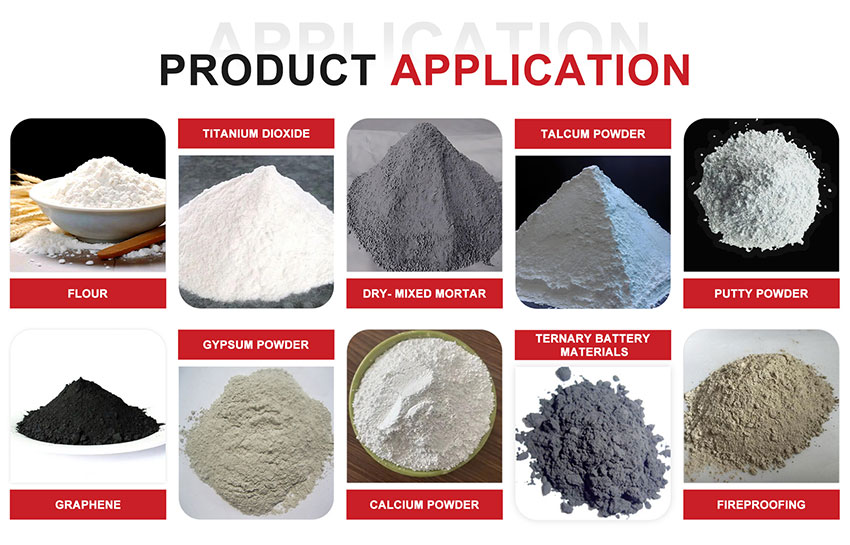
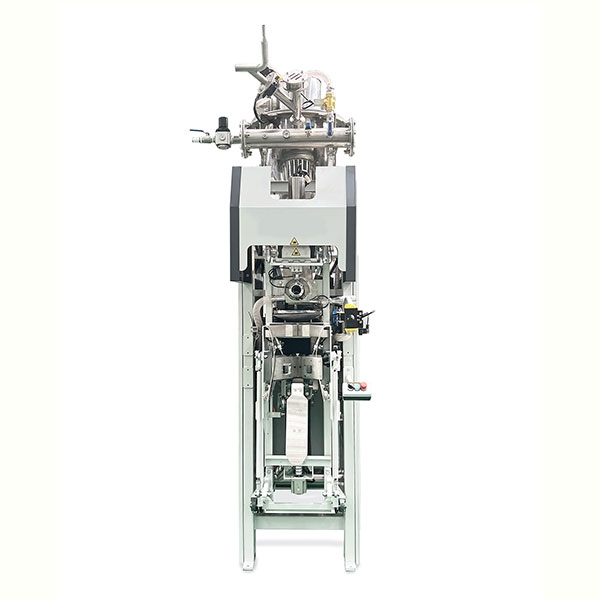
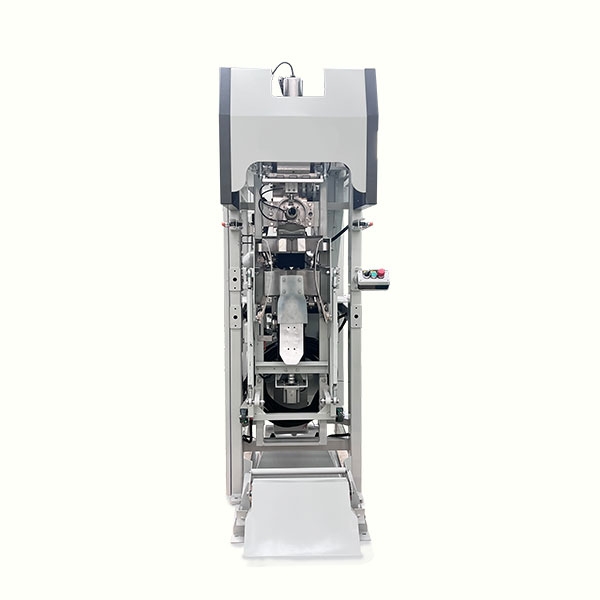
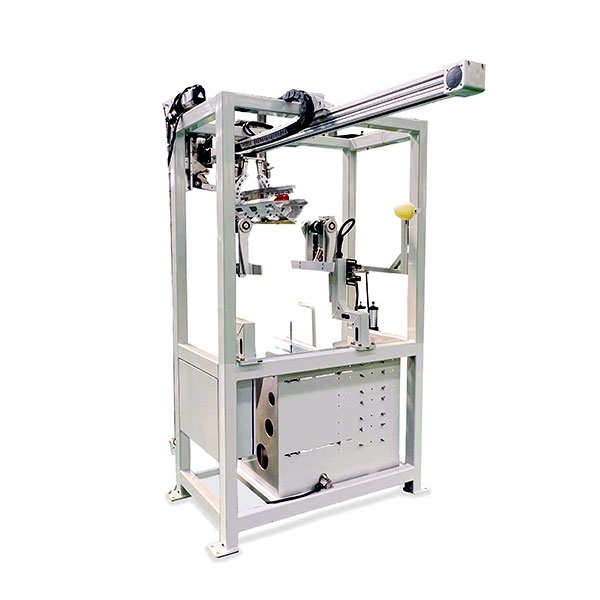
An automatic valve bag packing machine is a specialized packaging system designed for filling valve bags (also known as valve sacks). Unlike open-mouth bags, valve bags feature a small built-in valve or sleeve at the top or bottom corner. After filling, the valve flap seals automatically under the pressure of the material, eliminating the need for separate sewing or heat-sealing operations. This design makes the packaging process cleaner, faster, and more suitable for automated production lines. This machine is widely used in industries such as building materials, chemicals, food, minerals, and new energy materials for high-speed, dust-free packaging of powdered and granular products like cement, dry mortar, flour, starch, pigments, and lithium battery powders.
The automatic valve bag packing machine operates in a fully automated cycle consisting of the following main steps:
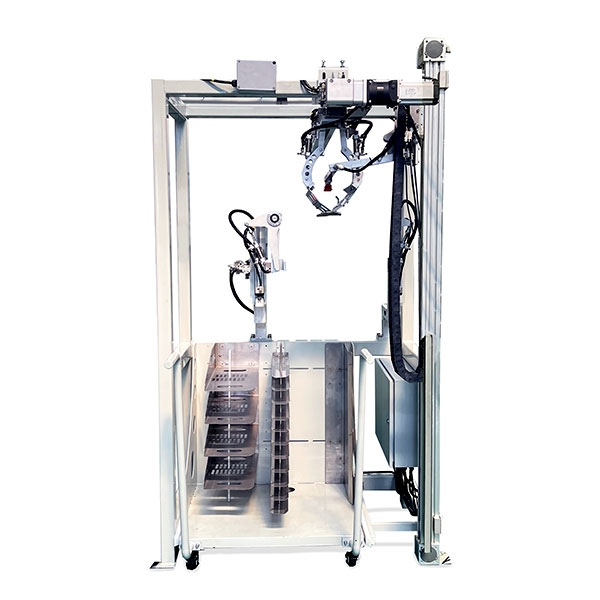
Bag magazine feeding – Empty valve bags are placed in the bag magazine. The machine automatically feeds and separates individual bags from the stack.
Bag picking and opening – Suction cups or mechanical grippers pick up an empty bag from the magazine and transfer it to the filling position. The bag valve opening is then properly positioned and fitted onto the filling spout.
Filling – Once the bag is securely attached to the spout, the filling process begins. Material is discharged into the bag through the valve opening using gravity, pneumatic pressure, or auger screw, depending on the material type. During this stage, high-precision load cells continuously monitor the weight of the bag in real time.
Automatic cut-off – When the preset target weight is reached, the filling system stops immediately. The filling spout retracts, and the filled bag is released. The valve opening closes automatically under the internal pressure of the material, providing a self-sealing effect without the need for additional stitching or sealing.
Bag drop and conveyor discharge – The filled bag is then dropped onto a discharge conveyor belt, which transports it to the next stage, such as bag flattening, palletizing, or wrapping.
Bag counting and production statistics – The machine's control system records the number of bags filled and provides real-time production data for monitoring and management purposes.
Product Feature:
High-precision weighing system – Equipped with advanced load cells and intelligent control algorithms, the machine ensures consistent filling accuracy with a typical tolerance of ±0.2% to ±0.5%, minimizing product giveaway and reducing material waste.
Dust-free and clean operation – The sealed filling spout combined with the self-sealing valve bag design effectively prevents dust leakage during filling. Optional dust collection systems can be integrated for even stricter environmental and hygiene requirements.
Fully automatic operation – From bag feeding, picking, filling, and cut-off to bag discharge, the entire process is controlled by a PLC system with minimal manual intervention, significantly reducing labor costs and improving production efficiency.
Versatile filling modes – The machine supports multiple filling methods, including gravity filling, pneumatic filling, and auger/screw filling, making it adaptable to a wide range of materials, from free-flowing granules to fine and cohesive powders.
User-friendly HMI – Equipped with a color touchscreen human-machine interface (HMI), the machine allows operators to easily set parameters, monitor production status, view alarm history, and store recipes for different materials and bag sizes.
Robust and durable construction – Manufactured with high-quality carbon steel or stainless steel (optional), the machine is designed for long-term continuous operation in harsh industrial environments, with wear-resistant components that extend service life and reduce maintenance frequency.
Quick changeover – The filling spout and bag magazine can be adjusted or replaced quickly to accommodate different bag sizes and types, enabling flexible production switching with minimal downtime.
Comprehensive safety protection – Equipped with overload protection, emergency stop buttons, safety interlocks, and audible/visual alarms to ensure safe operation and protect both equipment and personnel.
Data management and connectivity – The control system supports data recording, production statistics, and remote communication interfaces (such as Ethernet, RS485, or Profibus), allowing seamless integration with factory management systems (e.g., MES or ERP) for intelligent production monitoring.
Energy-efficient design – Optimized pneumatic and drive systems reduce air consumption and power usage, lowering overall operating costs while maintaining high output performance.
Specifications:
Parameter
Specification
Bag type
Valve bags (paper, woven plastic, or multi-layer composite)
Bag size range
Width: 300–600 mm; Length: 400–900 mm (customizable)
Filling weight range
10–50 kg per bag (customizable up to 100 kg)
Filling accuracy
±0.2% to ±0.5% of target weight
Production capacity
2–3 bags per minute @ single head
(depending on material and bag size)
380V / 50Hz / 3-phase (customizable to local standards)
Power consumption
Approx. 5–15 kW (varies by model and configuration)
Air consumption
0.6–0.8 MPa; 6–12 m³/h (depending on model)
Control system
PLC with color touchscreen HMI
Weighing system
Electronic load cells with intelligent weighing controller
Machine material
Carbon steel (standard) / Stainless steel 304 or 316 (optional for food or corrosive materials)
Bag magazine capacity
50–200 bags (depending on bag thickness and type)
Machine weight
Approx. 1,200–2,500 kg (varies by model and configuration)
Optional accessories
Dust collector, bag flattening device, metal detector, checkweigher, automatic palletizer, bar code printer, remote monitoring interface
Key Features & Characteristics
The automatic valve bag packing machine is extensively utilized across a broad spectrum of industries, including building materials (such as cement, dry mortar, gypsum, and putty powder), chemicals (including pigments, carbon black, resin powders, and fertilizers), food and feed (such as flour, starch, sugar, milk powder, and animal feed), minerals and metallurgy (like quartz sand, bentonite, iron ore concentrate, and alumina), new energy materials (including lithium battery cathode and anode powders), as well as environmental protection applications (such as fly ash and activated carbon). Its versatility, combined with options for different filling methods and stainless steel construction, makes it an ideal packaging solution for virtually any powdered or granular material requiring high-speed, accurate, and dust-free bagging.
FAQ:
1: What types of materials can this machine handle?
The machine is suitable for a wide range of powdered and granular materials, including cement, dry mortar, gypsum, lime, flour, starch, sugar, chemical pigments, carbon black, titanium dioxide, lithium battery powders, quartz sand, bentonite, and many other free-flowing or cohesive materials. The specific filling method (gravity, pneumatic, or auger) should be selected based on the material's flowability and particle size.
2: What bag types and sizes are compatible?
The machine is designed for valve bags made of paper, woven polypropylene, or multi-layer composite materials. Standard bag size ranges from 300–600 mm in width and 400–900 mm in length, with a filling weight of 5–50 kg per bag. Custom sizes and larger capacities (up to 100 kg) are available upon request.
What is the filling accuracy?
The machine typically achieves a filling accuracy of ±0.2% to ±0.5% of the target weight, depending on the material characteristics, bag size, and environmental conditions. The high-precision load cell system ensures consistent weight control to minimize product giveaway.
What is the production speed?
The standard production capacity ranges from 8 to 16 bags per minute. Actual speed may vary depending on the material properties, bag size, filling method, and operator handling. Higher-speed models are available for specific applications.
Does the machine produce dust during operation?
No. The valve bag's self-sealing design, combined with the sealed filling spout, effectively minimizes dust leakage. An optional integrated dust collection system can be added to further ensure a clean working environment and comply with strict environmental regulations.
What power and air supply are required?
The machine requires a 380V / 50Hz / 3-phase power supply (customizable to local standards) with a power consumption of approximately 5–15 kW. The compressed air requirement is 0.6–0.8 MPa at a flow rate of 6–12 m³/h. Exact values depend on the specific model and configuration.
7: Is the machine easy to operate?
Yes. The machine is equipped with a PLC control system and a color touchscreen HMI with an intuitive interface. Operators can easily set filling parameters, monitor production status, view alarm logs, and recall saved recipes for different materials and bag sizes. Minimal training is required.
8: How much floor space does the machine require?
The approximate machine footprint is 2,500 × 1,500 mm (length × width), with an overall height of about 2,800 mm. Additional space should be reserved for the conveyor, bag magazine, dust collector (if used), and operator access. A detailed layout drawing can be provided upon request.
9: What materials are used for the machine construction?
The standard machine is constructed from carbon steel with wear-resistant coatings. For food-grade, corrosive, or hygienic applications, stainless steel 304 or 316 is available as an option. All contact parts can be customized to suit specific material requirements.
10: Is maintenance difficult or costly?
No. The machine features a simple and robust mechanical design with easy-access components for routine inspection and maintenance. Regular maintenance includes checking the pneumatic system, cleaning the filling spout, calibrating the weighing system, and lubricating moving parts. Spare parts are readily available and cost-effective.
If you have any questions or comments, you can leave us a message and we will reply to you as soon as possible