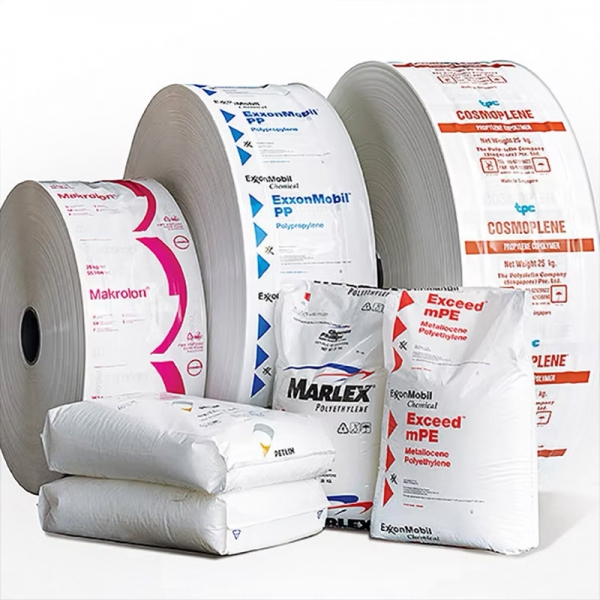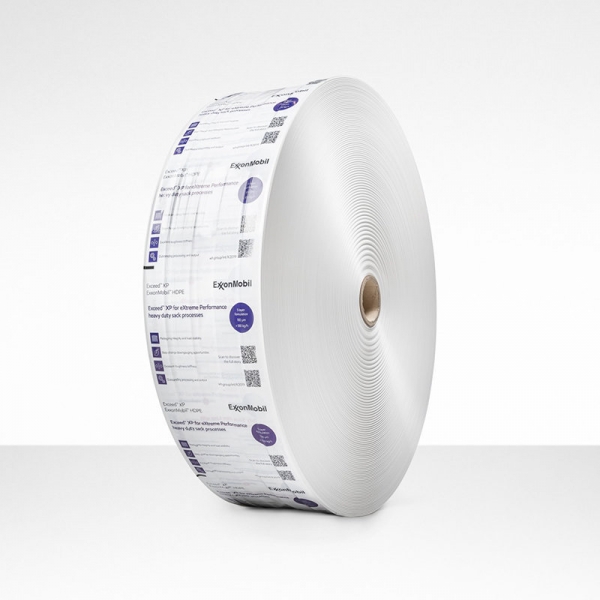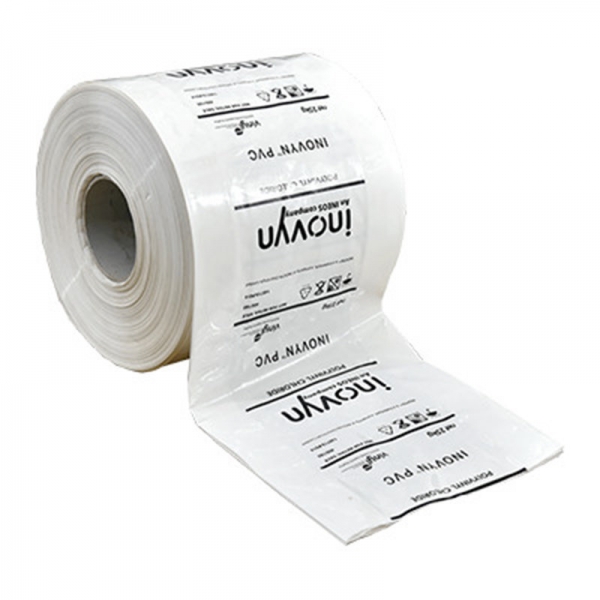
Superior Puncture & Tear Resistance
Engineered with high molecular strength to withstand sharp edges and heavy loads, reducing bag breakage during filling and transport.
Excellent Heat Seal Integrity
Provides consistent, strong seals across a wide temperature range, ensuring reliable closure for powder, granular, or lumpy products weighed from 10kg to 50kg.
High Load-Bearing Capacity
Designed for heavy-duty applications (e.g., construction materials, chemicals, fertilizers, pet food) with excellent tensile strength and elongation at break.
Outstanding Anti-Slip Surface
Textured or embossed film options available, improving pallet stability and layer-by-layer stacking safety without extra adhesive.
Consistent Unwinding Performance
Low-friction film surface and precise roll geometry ensure smooth, jam-free running on high-speed FFS packaging lines.
Customizable UV & Moisture Protection
Additives can be incorporated for UV stabilization or enhanced moisture barrier, extending product shelf life in outdoor or humid storage conditions.
|
Parameter |
Typical Value |
Unit |
Notes |
|
Thickness |
50 – 200 |
microns (µm) |
1 mil = 25.4 µm; 3 mils = approx. 75 µm |
|
Film Width |
800 – 5,200 |
mm |
Depends on pallet size; common range 1,700-2,100 mm |
|
Gusset |
300 – 500 |
mm |
The folded side edge of the tube |
|
Roll Diameter |
≥800 – 1,200 |
mm |
Typical outer diameter of the film roll |
|
Density |
≤ 0.920 |
g/cm³ |
Overall film density for optimal stretch and recovery |
|
Puncture Resistance |
> 4.5 |
Joules (J) |
Resistance to tearing from sharp objects |
|
Holding Force |
≥ 22 |
Newtons (N) |
Force keeping the film tight on the load |
|
Thickness Tolerance (2-sigma) |
<4 - 8 |
% |
A measure of manufacturing consistency |
|
Elastic Recovery |
≥ 40% (at 100% elongation) |
% |
Ability to return to original size after stretching |
|
Normalized Dart Impact |
350 – 700 |
g/mil |
Impact resistance (ASTM D-1709) |
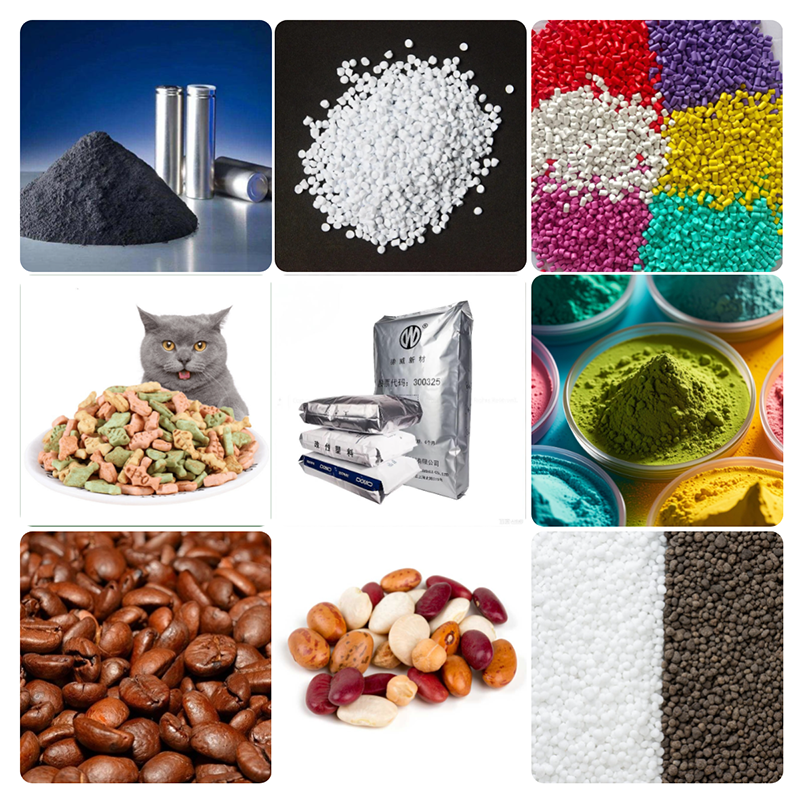
Petrochemical Industry: Polypropylene (PP), Polyethylene (PE), PVC resin pellets, other plastic granules for automated packaging
Chemical & Building Materials: PVC powder, fertilizers, salt, peat, bulk goods, and construction materials;
Agriculture & Horticulture: Seeds, fertilizers, and other agricultural supplies;
Industrial & Consumer Goods: Pet food, consumer products, building materials, and other heavy-duty items;
2. What materials are typically used in Heavy Duty FFS films?
Most high-performance FFS films use 3-layer or 5-layer co-extrusion technology:
3. How do you prevent bags from sliding off a pallet?
Because polyethylene (PE) is naturally slippery, FFS films are treated in two ways:
4. How does air escape during high-speed filling?
To prevent bags from looking like "pillows" (which makes them impossible to stack), FFS films use de-aeration features:
5. Can these films withstand outdoor storage?
Yes. Heavy-duty FFS films are typically UV-stabilized. Depending on the additive package, they can withstand direct sunlight for 6 to 24 months without losing mechanical strength or becoming brittle.
6. Are FFS films environmentally friendly?
7. What are the common thickness standards?